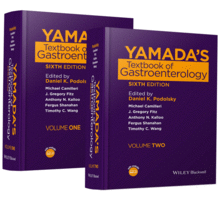
PODOLSKY, D.K.; CAMILLERI, M.; FITZ, J.G.; KALLOO, A.; SHANAHAN, F.; WANG, T.
Descuento:
-5%Antes:
Despues:
521,17 €VOLUME ONE
PART 1, Anatomy and development
1 Development and diff erentiation of the gastrointestinal system
2 Stem cells and tissue renewal
3 Esophagus: anatomy and structural anomalies
4 Stomach and duodenum: anatomy and structural anomalies
5 Small intestine: anatomy and structural anomalies
6 Colon: anatomy and structural anomalies
7 Pancreas: anatomy and structural anomalies
8 Abdominal cavity: anatomy, structural anomalies, and hernias
9 Gallbladder and biliary tract: anatomy and structural anomalies
10 Liver: anatomy, microscopic structure, and cell types
11 Gastrointestinal blood flow
PART 2, Mechanisms of normal and abnormal gastrointestinal function
A Components
12 Integrative responses of the gastrointestinal tract, pancreas, and liver to a meal
13 Gastrointestinal hormones and receptors
14 The brain–gut axis
15 The innervation of the gastrointestinal tract
16 Smooth muscle of the gut
17 The mucosal immune system and gastrointestinal inflammation
18 Epithelia and gastrointestinal function
B Motility
19 Esophageal motor function
20 Gastric motility and gastric emptying
21 Motility of the small intestine and colon
22 Motility of the biliary tract
C Secretion and absorption
23 Gastric secretions
24 Electrolyte secretion and absorption in the small intestine and colon
25 Pancreatic secretion
26 Bile secretion and cholestasis
D Nutrition
27 General nutritional principles
28 Control of appetite/satiety and energy balance
29 Nutrient digestion, absorption, and sensing
30 Vitamins and minerals
E Miscellaneous
31 Neoplasia of the gastrointestinal tract
32 The human intestinal microbiota and microbiome
33 Drug metabolism, transport, and pharmacogenomics
PART 3, Principles of clinical gastroenterology
34 Clinical decision making
35 Approach to the patient with dyspepsia and related functional gastrointestinal complaints
36 Approach to the patient with dysphagia, odynophagia, or noncardiac chest pain
37 Approach to the patient with unintentional weight loss
38 Approach to the patient with nausea and vomiting
39 Approach to the patient with abdominal pain
40 Approach to the patient with gas and bloating
41 Approach to the patient with diarrhea
42 Approach to the patient with constipation
43 Approach to the patient with acute abdomen
44 Approach to the patient with gastrointestinal bleeding
45 Approach to the patient with abnormal liver chemistries or jaundice
46 Approach to gastrointestinal and liver diseases in pregnancy
47 Genetic counselling for gastrointestinal patients
PART 4, Gastrointestinal diseases
A Esophagus
48 Motility disorders of the esophagus
49 Gastroesophageal reflux disease
50 Eosinophilic esophagitis
51 Esophageal infections and disorders associated with acquired immunodeficiency syndrome
52 Barrett esophagus and esophageal adenocarcinoma
53 Esophageal squamous cell carcinomas and other neoplasms
54 Miscellaneous diseases of the esophagus: foreign bodies, physical injury, and systemic and dermatological diseases
B Stomach
55 Disorders of gastric emptying
56 Peptic ulcer disease
57 Zollinger–Ellison syndrome
58 Gastritis and gastropathy
59 Tumors of the stomach
60 Miscellaneous diseases of the stomach
C Small intestine
61 Dysmotility of the small intestine and colon
62 Bacterial, viral, and toxic causes of diarrhea, gastroenteritis, and anorectal infections
63 Chronic infections of the small intestine
64 Celiac disease
65 Disorders of epithelial transport, metabolism, and digestion in the small intestine
66 Bacterial overgrowth
67 Short bowel syndrome and small bowel transplantation
68 Tumors of the small intestine
69 Miscellaneous diseases of the small intestine
D Inflammatory bowel disease
70 Inflammatory bowel diseases: pathogenesis
71 Ulcerative colitis
72 Crohn’s disease: clinical manifestations and management
73 Surgical treatment of inflammatory bowel disease
74 Microscopic colitis and other miscellaneous inflammatory and structural disorders of the colon
E Colon
75 Irritable bowel syndrome
76 Diverticular disease of the colon
Index
VOLUME TWO
77 Polyps of the colon and rectum
78 Malignant tumors of the colon
79 Polyposis syndromes
80 Colorectal cancer screening
81 Anorectal diseases
F Pancreas
82 Acute pancreatitis
83 Autoimmune pancreatitis
84 Chronic pancreatitis
85 Hereditary diseases of the pancreas
86 Cystic lesions of the pancreas
87 Adenocarcinoma of the pancreas
88 Neuroendocrine tumors of the pancreas
G Gallbladder and biliary tract
89 Gallstones
90 Primary sclerosing cholangitis
91 Cystic diseases of the liver and biliary tract
92 Tumors of the biliary tract
93 Sphincter of Oddi dysfunction and postcholecystectomy syndrome
H Liver
94 Acute viral hepatitis
95 Chronic hepatitis B viral infection
96 Hepatitis C virus infection
97 Drug-induced liver disease
98 Acute liver failure
99 Autoimmune hepatitis100 Primary biliary cirrhosis
101 Hemochromatosis
102 Metabolic diseases of the liver
103 Alcoholic liver disease
104 Nonalcoholic fatty liver disease
105 Hepatic fi brosis and cirrhosis
106 Ascites and its complications
107 Central nervous system and pulmonary complications of end-stage liver disease
108 Liver transplantation
109 Hepatocellular carcinoma
110 Liver abscess
111 Vascular diseases of the liver
I Miscellaneous
112 Intraabdominal abscesses and fistulae
113 Diseases of the peritoneum, retroperitoneum, mesentery, and omentum
114 Nutrition supplementation
115 Obesity: treatment and complications
116 Bariatric surgery
117 Eating disorders
118 Complications of HIV/AIDS and other secondary immunodeficiencies
119 Immunological disorders: (a) Food allergy and hypersensitivity
120 Immunological disorders: (b) immunodeficiencies and gastrointestinal complications of organ transplantation
121 Parasitic diseases: protozoa
122 Parasitic diseases: helminths
123 Gastrointestinal and hepatic manifestations of specific genetic disorders
124 Gastrointestinal manifestations of systemic diseases
125 Skin lesions associated with gastrointestinal and liver diseases
126 Oral manifestation of gastrointestinal diseases
127 Gastrointestinal vascular malformations and neoplasms: arterial, venous, arteriovenous, and capillary
128 Intestinal ischemia and vasculitides
129 Radiation injury in the gastrointestinal tract
130 Complementary and alternative medicine in gastroenterology
PART 5, Diagnostic and therapeutic modalities in gastroenterology
A Endoscopic
131 General approach to endoscopy: sedation, monitoring, and preparation
132 Upper gastrointestinal endoscopy
133 Capsule and small bowel endoscopy
134 Colonoscopy and flexible sigmoidoscopy
135 Endoscopic retrograde cholangiopancreatography
136 Gastrointestinal dilation and stent placement
137 Endoscopic approaches to enteral nutrition
138 Management of upper gastrointestinal haemorrhage related to portal hypertension
139 Endoscopic diagnosis and treatment of nonvariceal upper gastrointestinal hemorrhage
140 Endoscopic therapy for polyps and tumors
141 Laparoscopy and laparotomy
142 Submucosal endoscopy
143 Natural orifice translumenal endoscopic surgery (NOTES)
B Imaging
144 Plain and contrast radiology
145 Abdominal sonography
146 Endoscopic ultrasonography
147 Computed tomography of the gastrointestinal tract
148 Magnetic resonance imaging
149 Positron emission tomography
150 Radionuclide imaging in the gastrointestinal tract
151 Abdominal angiography
152 Interventional radiology
153 Confocal laser microscopy
C Pathology
154 Liver biopsy and histopathological diagnosis
155 Endoscopic mucosal biopsy – histopathological interpretation
D Gastrointestinal function studies
156 Tests of gastric and pancreatic function and absorption
Index
Yamada’s Textbook of Gastroenterology has for 20 years been the most comprehensive gastroenterology reference book, combining an encyclopaedic basic science approach to GI and liver disease with the latest clinical thinking, especially in diagnostic and therapeutic developments. It is universally respected across the globe.
It has always had an outstanding editor team led by Tachi Yamada, one of the world’s leading figures in GI research, and in addition, a hugely impressive team of contributors, each experts in their specific area.
Now with a new Editor-in-Chief, Dan Podolsky, Professor of Internal Medicine at the University of Texas Southwestern Medical Center, the 6th edition of this iconic textbook is modernising and improving in a number of ways:
•Now with free, fully searchable access to the entire digital text with every print purchase.
•A templated chapter approach, including separate chapter templates for a) basic science chapters; b) disease chapters and c) symptom chapters, resulting in more consistency in both structure, content and length of chapters.
•Far more clinically focused than before by virtue of a brand new section "Principles of Clinical Gastroenterology". Containing 14 symptom-focused chapters, it will enable doctors to assess their patients in the clinic more effectively than ever.
•Increased coverage of key topics like autoimmune pancreatitis, fecal biomarkers, genetics, IBD, IgG4 systemic disease’, Crohn’s disease, ulcerative colitis, and eosinophilic esophagitis.
•Downloadable “hot topic” podcasts from the world’s key GI experts.
•Greater emphasis on clinical studies/trials, evidence-based practice, society guidelines, and governmental agencies than before.
•Every reference online, with hyperlinks to Pubmed/CrossRef, rather than 'static' print references. Key references will be retained in print.
•For more international and global authorship - along with the leading North American figures, the top European and Asian GI experts provide their expertise and insights throughout.
Yamada’s Textbook of Gastroenterology 6E is the complete gastroenterology reference book. With a greater than ever clinical focus, not only does it retain its position as the market leader in terms of basic science coverage, but it also cements itself as an outstanding resource to consult in terms of the clinical management of GI disorders.
Better than ever and with free, fully searchable access to the entire content digitally with the print book, it suits the needs of the modern day gastroenterologist, whether experienced or at the beginning of their career.
 -5%
-5%
 -5%
-5%
 -5%
-5%
 -5%
-5%
 -5%
-5%
 -5%
-5%
 -5%
-5%
 -5%
-5%
 -5%
-5%
 -5%
-5%