Descuento:
-5%Antes:
Despues:
114,00 ۥ Introduction
• Structure of the Neuron and Organization of Nervous Tissue
• Glia
• Neuronal Excitabilit
• Synaptic Function
• Neurotransmitters and Their Receptors
• Parts of the Nervous System
• The Coverings of the Brain and the Ventricular System
• The Blood Supply of the CNS
• Prenatal and Postnatal Development
• The Nervous System and Aging
• Restitution of Function after Brain Damage
• Sensory Receptors in General
• Peripheral Parts of the Somatosensory System
• Central Parts of the Somatosensory System
• Pain
• The Visual System
• The Auditory System
• The Sense of Equilibrium
• Olfaction and Taste
• Motor Systems and Movements in General
• The Peripheral Motor Neurons and Reflexes
• The Motor Cortical Areas and Descending Pathways
• The Basal Ganglia
• The Cerebellum
• Control of Eye Movements
• The Reticular Formation: Premotor Networks, Consciousness, and Sleep
• The Cranial Nerves
• Visceral Efferent Neurons: The Sympathetic and Parasympathetic Divisions
• Sensory Visceral Neurons and Visceral Reflexes
• The Central Autonomic System: The Hypothalamus
• The Amygdala And other neuronal groups with relation to Emotions
• The Hippocampal Formation: Learning and Memory
• The Cerebral Cortex: Intrinsic Organization and Connections
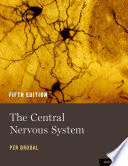
The Fifth edition finds the text of The Central Nervous System thoroughly updated and revised, better equipping students with essential information in the field of clinical neuroscience. This text, reviewed to reflect new information as well as understanding of student needs for critical thinking, contains the systematic, in-depth coverage of topics of great clinical interest. This text seamlessly integrates data from all fields of neuroscience as well as clinical neurology and psychology. This textbook presents the functional properties of clinically-relevant disorders by incorporating data from molecular biology to clinical neurology.
Key Features of the Fifth Edition Include...
• Chapters knit together by numerous cross-references and explanations, helping the reader to connect data.
• Carefully selected full color line drawings of the complexities of the nervous system.
• Extensive use of text-boxes provides in-depth material without disturbing the flow of reading.
• Provides a crucial list of references for further reading.
While most neurological textbooks are cobbled together by multiple authors on a variety of topics within the field, Dr. Brodal pulls together a cohesive and comprehensive guide to neuroscience. This book reflects Dr. Brodal's concise and easy-to-read style, encouraging reflection and critical thinking in established facts and scientific conjecture. This is the perfect reference for medical, graduate, and undergraduate students alike.
Features
• Chapters knit together by numerous cross-references and explanations, helping the reader to connect data
• Carefully selected full color line drawings of the complexities of the nervous system
• Extensive use of text-boxes provides in-depth material without disturbing the flow of reading
• Provides a crucial list of references for further reading
Author
Professor Per Brodal has more than 40 years experience with neuroanatomical research and teaching (medical students and other health professions). Extensive experience with postgraduate teaching with the aim of applying basic neuroscience to clinical problems (in neurology, psychiatry, rehabilitation, physiotherapy). Headed the development and implementation of an integrated, problem-based curriculum at the Oslo University Medical School.
 -5%
-5%
 -5%
-5%
 -5%
-5%
 -5%
-5%
 -5%
-5%
 -5%
-5%
 -5%
-5%
 -5%
-5%
 -5%
-5%
 -5%
-5%