Descuento:
-5%Antes:
Despues:
158,07 €1. Neural Processing of Itch
2. Pruriceptors
3. Central Representation of Itch
4. Interaction of Pruritus and Pain
5. Modulation of Pruritus: Peripheral and Central Sensitization
6. In Vitro Models of Itch
7. Measurement of Sensory Function in Chronic Pruritus
8. Pruritus, Pain and Other Abnormal Skin Sensations
9. Epidemiology
10. Classification
11. Examination of Patients
12. Measurement of Itch: Patient-Reported Outcomes
13. Measurement of Itch: Actigraphy
14. Placebo and Nocebo Effects on Itch: Methodological and Clinical Implications
15. Patient Needs and Treatment Goals in Clinical Care of Chronic Pruritus
16. Sex- and Gender-Specific Differences in Chronic Pruritus
17. Clinical Presentation of Itch
18. Sensitive Skin
19. Atopic Dermatitis
20. Allergic and Irritant Contact Dermatitis
21. Urticaria
22. Mastocytosis
23. Cutaneous Drug Reactions and Drug-Induced Pruritus
24. Psoriasis
25. Autoimmune Diseases
26. Itch, Infections and Infestations
27. Cutaneous Lymphoma
28. Neuropathic Pruritus Secondary to Brain and Spinal Cord Tumors
29. Notalgia Paresthetica
30. Brachioradial Pruritus
31. Other Forms of Neuropathic Pruritus
32. Small-Fibre Neuropathies
33. Chronic Kidney Diseases
34. Hepatobiliary Diseases
35. Endocrine Diseases
36. Pruritus in Hematological Diseases (Including Aquagenic Pruritus)
37. Cancers
38. The Burden of Itch
39. Psychological Approach
40. Psychosomatic Aspects and Psychiatric Conditions
41. Psychogenic Pruritus
42. Pruritus in Children
43. Pruritus Vulvae
44. General Principles and Guidelines
45. Capsaicin
46. Topical Steroids and Immunomodulators
47. Menthol, Camphor and Other Topical Treatments
48. Antihistamines
49. Anticonvulsants
50. Opioid Receptor Antagonists or Agonists
51. Antidepressants
52. Immunosuppressants
53. NK-1 Antagonists
54. Psychological Intervention
55. Ultraviolet Phototherapy of Pruritus
56. Acupuncture
57. Future Perspectives: New and Modern Therapies
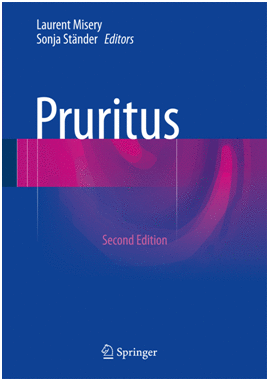
This book provides a thorough and comprehensive reference in the management of pruritus, designed to be a convenient resource for all physicians confronted with patients suffering from itch. The Editors have recruited a board of internationally renowned experts to provide an in-depth analysis of the causes and management of pruritus, including the current concepts in pathophysiology and novel therapeutics.
Acute and chronic pruritus can represent significant management issues both as a common physiological sensation and as a manifestation of dermatologic and non-dermatologic diseases. All patients suffering from itch know that it is a very awkward sensation. Unfortunately, this often significant symptom is frequently considered less severe in comparison with pain. The consequences are that research on this field has been poorer than research on pain and that pruritus is therefore more difficult to treat.
Pruritus, Second edition addresses the new concepts and discoveries that have modified our understanding of this condition. It explains the pathophysiology of itch, describes all causes, and provides guidelines for management and treatment.
Features
• Comprehensive reference on pruritus
• Discusses the many possible causes of itching
• Provides up-to-date guidelines for the management and the treatment of itch
 -5%
-5%
 -5%
-5%
 -5%
-5%
 -5%
-5%
 -5%
-5%
 -5%
-5%
 -5%
-5%
 -5%
-5%
 -5%
-5%
 -5%
-5%