Descuento:
-5%Antes:
Despues:
54,34 ۥ Section 1 Preconception
1 Basic biochemistry
2 The cell - its structures and function
3 Structure, organization and regulation of genes
4 The female reproductive system
5 The male reproductive system
6 Fertility control
7 Infertility
8 Preconception matters
• Section 2A Pregnancy - The Fetus
9 General embryology
10 Embryological systems 1 - trunk, head and limbs
11 Embryological systems 2 - internal organs
12 The placenta, membranes and amniotic fluid
13 Fetal growth and development
14 Common fetal problems
15 Congenital anomalies
• Section 2B Pregnancy - The Mother
16 The haematological system - physiology of the blood
17 The cardiovascular system
18 Respiration
19 The renal tract
20 Fluid, electrolyte and acid-base balance
21 The gastrointestinal tract
22 The accessory digestive organs
23 Nutrition and metabolism during pregnancy
24 The nature of bone - the female pelvis and fetal skull
25 Muscle - the pelvic floor and the uterus
26 The central nervous system
27 The peripheral and autonomic nervous systems
28 The endocrine system
29 The immune system
• Section 2C Pregnancy - The Problems
30 Minor disorders of pregnancy
31 Bleeding in pregnancy
32 Cardiac and hypertensive disorders
33 Anaemia and clotting disorders
34 Respiratory, renal, gastrointestinal and neurological problems
35 Diabetes mellitus and other metabolic disorders in pregnancy
• Section 3A Labour - Normal
36 The onset of labour
37 The first stage of labour
38 Pain relief in labour
39 The second stage of labour
40 The third stage of labour
• Section 3B Labour - Problems
41 Abnormalities of uterine action and onset of labour
42 Breech presentation
43 Malposition and cephalic malpresentations
44 Cephalopelvic disproportion, obstructed labour and other obstetric emergencies
45 Postpartum haemorrhage and other third-stage problems
46 Perinatal fetal asphyxia
47 Operative delivery
• Section 4A Puerperium - The Baby as a Neonate
48 Adaptation to extra-uterine life 1: haematological, cardiovascular, respiratory and genitourinary considerations
49 Adaptation to extra-uterine life 2: gastrointestinal, metabolic, neural and immunological considerations
50 Health challenges and problems in neonates of low birth weight
51 Developmental anatomy: related cardiovascular and respiratory disorders
52 Jaundice and common metabolic problems in neonates
53 Risks of infection and trauma in neonates
• Section 4B Puerperium - The Mother
54 The breasts and lactation
55 Breastfeeding practice and problems
56 The puerperium
57 Bio-behavioural aspects of parenting
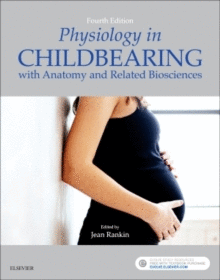
The new edition of Physiology in Childbearing with Anatomy and Related Biosciences continues to offer readers with a sound introduction to human biology as it relates to pregnancy and childbirth.
Retaining the features that characterised the popularity of previous editions - namely, a clear and accessible writing style, extensive artwork program and online question bank with downloadable image collection - the volume addresses basic biochemistry, cellular biology, genetics and fertility. Chapters on embryology then explore fetal growth and development together with congenital anomalies.
A ‘systems-based’ series of chapters examine the adult human body linking normal structure and function to changes that occur during pregnancy. Complications of pregnancy such as bleeding, hypertension and metabolic disorders are included. Chapters then explore labour, including its complications and the effective use of pain relief. Finally, the neonate is examined with an explanation of the adaptation to extra-uterine life and potential health challenges. The book concludes with an exploration of infant feeding and bio-behavioural aspects of parenting.
Fully updated throughout, this successful textbook will be ideal for midwives, whether qualified or in training, worldwide, in both high tech environments within the developed world or more remote areas of practice.
Features:
• Straightforward writing style helps demystify a challenging subject area
• Applies theory to practice to show how a knowledge of the biological sciences can enhance the care given to mothers and babies
• Designed to facilitate early recognition of pathology to help prevent morbidity and mortality
• Ideal introduction to basic biochemistry, cellular biology and genetics for those who have no prior knowledge of the subject areas
• Chapters on embryology help explain the occurrence of neonatal pathology
• A ‘body systems approach’ - including embryological development - enables an understanding of the physiological and pathophysiological changes that occur during pregnancy
• Clear diagrams allow an understanding of the complex three-dimensional concepts seen in biology
• Helpful pedagogy such as ‘Main Points’ boxes at the end of each chapter act as useful aide-memoires
• Enhances the safety of mothers and babies, both in the developed world and those countries where the provision of adequate care remains limited
New To This Edition:
• Revised contributor team provides an international perspective
• Updated design presents shorter sections of information with concise summaries of ‘key points’ and easy to interpret figures and tables
Author
Jean Rankin, BSc(Hons) MSc PhD PGCE RN RMRGN RSCN , Professor (Maternal, Child and Family Health), School of Health, Nursing and Midwifery, University of the West of Scotland, Paisley and Hamilton, UK
 -5%
-5%
 -5%
-5%
 -5%
-5%
 -5%
-5%
 -5%
-5%
 -5%
-5%
 -5%
-5%
 -5%
-5%
 -5%
-5%
 -5%
-5%