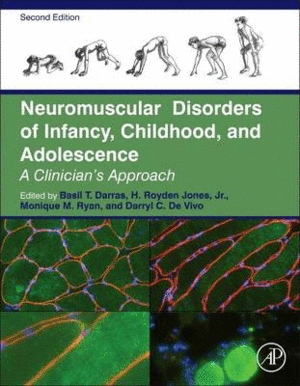
DARRAS, B.T.; ROYDEN JONES, JR., H.; RYAN, M.M.
Descuento:
-5%Antes:
Despues:
153,14 ۥ Part I: Clinical and Laboratory Approach to the Infant and Child with a Neuromuscular Problem
Chapter 1. Introduction: Historical Perspectives
- Introduction
- Traditional Diagnostic Tests
- Modern Diagnostic Testing
- Clinical Classification
- Clinical Approach
- Presenting Complaints
- Conclusion
- References
Chapter 2. Genetics of Neuromuscular Disorders
- Introduction
- Patterns of Genetic Transmission
- Pedigree Analysis and Risk Assessment
- Chromosomes and Chromosomal Abnormalities
- Genetic Imprinting
- Molecular Genetics
- Gene Mutations and Modes of Inheritance
- Developments in Molecular Diagnostics
- Methods of Molecular Genetic Diagnostics
- Comparison Between Panels and Whole Exome Sequencing
- Secondary Findings
- Clinical Indications for Genetic Testing
- Approach to Genetic Evaluation
- Potential Barriers to Testing
- Attitudes Towards Genetic Testing
- Recurrence Risk in Families and Reproductive Options
- Treatment of Genetic Disorders
- References
Chapter 3. Electromyography in Pediatrics
- Introduction
- Dealing with Misconceptions
- Normative Data
- Techniques
- Investigation Strategies
- Final Words
- References
Chapter 4. Muscle Biopsy for Diagnosis of Neuromuscular and Metabolic Diseases
- Introduction
- Tissue Selection and Preparation
- Ontogenesis of Striated Muscle
- Cellular Death and Regeneration
- Denervation, Disuse, and Hypotrophy
- Muscle Biopsy in Specific Myopathies
- Myofibrillar Myopathies
- Glycogenoses
- Lipid Storage Myopathies
- Inflammatory Myopathies
- References
Chapter 5. Nerve Biopsy
- Introduction
- Techniques
- Complications
- Age-Related Differences in Sural Nerve Morphology
- Biopsy Findings in Relevant Diseases
- Conclusion
- References
• Part II: Infantile Hypotonia and Arthrogryposis
Chapter 6. Neonatal Hypotonia
- Introduction
- History and General Examination
- Neonatal Neuromuscular Examination
- Distinguishing Features of Motor System Disorders
- Conclusion
- References
Chapter 7. Arthrogryposis
- Introduction
- Historical Background
- Epidemiology
- Pathogenesis
- Clinical Features
- Genotype/Phenotype Correlation
- Arthrogryposis Associated with Maternal Illnesses
- Therapy
- Prognosis
- Relatively Common Specific Conditions Associated with Multiple Congenital Contractures
- Chromosomal Anomalies
- Maternal Antibodies with and Without Myasthenia Gravis
- Acknowledgments
- References
• Part III: Motor Neuron Disorders
Chapter 8. Spinal Muscular Atrophies
- Introduction
- Epidemiology
- Clinical Characteristics
- Genetics
- Other Diagnostic Tests
- Molecular Function of SMN
- Differential Diagnosis
- The Pathology of SMA
- Animal Models
- Treatment
- Care of the Patient with SMA
- Conclusion
- Acknowledgments
- References
Chapter 9. Juvenile Amyotrophic Lateral Sclerosis
- Introduction
- Nosology of Motor Neuron Diseases
- Discussion of Table 9.1
- Management
- Genetic Counseling
- Conclusions
- References
Chapter 10. Infectious or Acquired Motor Neuron Diseases
- Infantile Poliomyelitis
- Vaccine-Associated Poliomyelitis
- Tetanus: A Combined Perspective from South Africa and North America
- Rabies
- References
Chapter 11. The Stiff-man Syndrome in Children and Adolescents
- Introduction
- Historical Perspective
- Epidemiology
- Pathophysiology
- Neurological Presentation
- Coexisting Autoimmune Diseases
- Oncological Findings
- Differential Diagnosis
- Testing
- Treatment
- Prognosis
- Conclusion
- References
• Part IV: Peripheral Nerve Disorders
Chapter 12. Radiculopathies and Plexopathies
- Anatomy
- Diagnostic Procedures
- Cervical Radiculopathies
- Lumbosacral Radiculopathies
- Plexopathies
- References
Chapter 13. Congenital and Acquired Facial Palsies
- Introduction
- Evaluation of the Facial Nerve in Children
- Congenital Facial Palsies
- Acquired Facial Palsies
- References
Chapter 14. Mononeuropathies
- Introduction
- Assessment and Evaluation of Peripheral Nerve Lesions in Childhood
- Upper Extremity Mononeuropathies
- Lower Extremity Mononeuropathies
- References
Chapter 15. Overview of Pediatric Peripheral Neuropathies
- Introduction
- Approach to Evaluating Childhood Neuropathies
- Pediatric Electrodiagnostic Testing
- Trauma
- Nerve Biopsy
- Neuroimaging in Childhood Polyneuropathies
- References
Chapter 16. Congenital and Early Infantile Neuropathies
- Introduction
- Etiology
- Clinical Presentation and Approach to Peripheral Neuropathies in Early Infancy
- Genetic Demyelinating Neuropathies with Infantile Onset
- Demyelinating Neuropathies of Infancy Associated with Central Nervous System Involvement
- Genetic Axonal Neuropathies with Infantile Onset
- Conclusion
- Acknowledgments
- References
Chapter 17. Hereditary Neuropathies in Late Childhood and Adolescence
- Definition and Nomenclature
- Epidemiology
- Pathobiology
- Clinical Manifestations
- Neurophysiology
- Genetic Testing and Diagnostic Strategies
- Specific Forms of CMT
- Differential Diagnosis
- Treatment Strategies
- Summary
- References
Chapter 18. Hereditary Sensory and Autonomic Neuropathies
- Introduction
- Hsan Type I
- Hsan Type II
- Hsan Type III
- Hsan Type IV
- Hsan Type V
- Diagnosis of an Hsan
- Therapeutic Interventions
- References
Chapter 19. Peripheral Neuropathy in Inherited Metabolic Disease
- Introduction
- Lysosomal Storage Diseases
- Peroxisomal Storage Diseases
- Diseases of Lipids and Lipoproteins
- Glycogen Storage Disease
- Amino Acid Disease
- Mitochondrial Diseases
- Other Inherited Metabolic Diseases
- References
Chapter 20. Acute Polyneuropathies
- Introduction
- Guillain-Barré Syndrome
- Tick Paralysis
- References
Chapter 21. Chronic Inflammatory Demyelinating Polyradiculoneuropathy
- Epidemiology
- Pathogenesis
- Clinical Features
- Differential Diagnosis
- Laboratory Studies
- Electrophysiologic Testing
- Nerve Biopsy
- Neuroimaging
- Treatment
- Prognosis
- References
Chapter 22. Neuropathies Secondary to Systemic Disorders
- Introduction
- Critical Illness Polyneuropathy
- Renal Disorders
- Endocrine Disorders
- Vitamin Deficiency States
- Malignancies and Reticuloses
- Connective Tissue Disorders
- Miscellaneous Systemic Disorders
- References
Chapter 23. Toxic Neuropathies
- Introduction
- General Features of Toxic Neuropathies
- Selected Toxic Neuropathies
- Conclusion
- References
Chapter 24. Hansen’s Disease (Leprosy): Leprous Neuropathy
- Introduction
- Skin Manifestations
- Leprosy Neuropathy
- Diagnosis
- Pathophysiology of Nerve Damage
- Treatment
- References
• Part V: Neuromuscular Junction Disorders
Chapter 25. Acquired Presynaptic Neuromuscular Junction Disorders: Infant Botulism and Lambert-Eaton Myasthenic Syndrome
- Infant Botulism
- Lambert-Eaton Myasthenic Syndrome
- Summary
- References
Chapter 26. Congenital Myasthenic Syndromes
- Introduction
- Diagnosis
- Classification
- Presynaptic Congenital Myasthenic Syndrome
- Synaptic Basal Lamina Associated CMS
- Postsynaptic CMS
- Currently Available Therapies
- References
Chapter 27. Juvenile and Neonatal Myasthenia Gravis
- Background
- Pathophysiology
- Clinical Presentation
- Diagnostic Testing
- Medical Therapies
- Surgical Therapies
- Neonatal Myasthenia Gravis and the Fetal Acetylcholine Receptor Inactivation Syndrome
- Prognosis
- Conclusions
- References
• Part VI: Myopathies
Chapter 28. Congenital and Other Structural Myopathies
- Nemaline Myopathy
- Core Myopathies
- Multiminicore Disease
- Congenital Fiber Type Disproportion
- Centronuclear Myopathies
- Titinopathies
- Myofibrillar Myopathies
- Hyaline Body Myopathy
- Autophagic Vacuolar Myopathies
- Treatment of Congenital Myopathies
- Novel Therapeutic Strategies
- Drug Discovery
- References
Chapter 29. Congenital Muscular Dystrophies
- Introduction
- Merosin-Deficient CMD
- Dystroglycanopathies
- CMD With Collagen VI Deficiency (Ullrich Disease)
- SEPN1-Related CMD
- LAMIN A/C-Related CMD
- Differential Diagnosis
- Therapeutic Approaches
- Acknowledgments
- References
Chapter 30. Dystrophinopathies
- Introduction
- Etiology and Pathogenesis
- Incidence and Prevalence
- Clinical Presentation
- Differential Diagnosis
- Diagnostic Testing
- Treatment and Management
- References
Chapter 31. Clinical Management of Dystrophinopathies: A Systematic Approach
- Introduction
- Duchenne Muscular Dystrophy
- Other Dystrophinopathies: Becker Muscular Dystrophy and Manifesting Carriers of DMD/BMD
- Conclusions
- References
Chapter 32. Facioscapulohumeral Dystrophy
- Introduction
- Clinical Features
- Extramuscular Manifestations
- Infantile FSHD
- FSHD Variants
- Scapulohumeral Dystrophy Phenotype with Facial Sparing
- Differential Diagnosis
- Laboratory Tests
- Management
- Prognosis
- Genetics
- References
Chapter 33. Distal Myopathies
- Early Onset Distal Myopathies
- Juvenile Onset Distal Myopathies
- References
Chapter 34. Limb-girdle Muscular Dystrophies
- Introduction
- Autosomal Recessive Limb-Girdle Muscular Dystrophies
- Autosomal Dominant LIMB-Girdle Muscular Dystrophies
- Other Muscular Dystrophies that May Present as LGMD
- Summary and Approach to Patients
- References
Chapter 35. Emery-Dreifuss Muscular Dystrophy: Nuclear Envelopathies
- Introduction
- Historical Background
- Molecular Biology
- Pathogenesis
- Clinical Features
- Differential Diagnosis
- Genotype-Phenotype Correlation
- Laboratory Investigations
- Therapy
- Prognosis
- Acknowledgments
- References
Chapter 36. Myopathies of Systemic Disease
- Introduction
- Hyperthyroidism
- Hypothyroidism
- Parathyroid Disease
- Cushing’s Syndrome
- Uremia
- Osteomalacia
- Hypokalemia
- Hypernatremia
- Primary Hyperparathyroidism
- Human Immunodeficiency Virus
- Lyme Disease
- Sepsis/Intensive Care Unit Myopathies
- Medication-Related Myopathies
- Inflammatory Myopathies Associated with Systemic Disorders
- Eosinophilic Myopathic Syndromes
- References
Chapter 37. Myotonic Dystrophy
- Clinical Presentation and Phenotypes
- Molecular Genetics
- Diagnostic Approach
- Management
- References
Chapter 38. Muscle Channelopathies: Myotonias and Periodic Paralyses
- Introduction
- Electrophysiology of Clinical Weakness and Paralysis
- Myotonias
- Paramyotonia
- Periodic Paralyses
- Acknowledgments
- References
Chapter 39. Glycogen Storage Diseases of Muscle
- Introduction and Background
- Forearm Ischemic Exercise Test
- Defects of Glycogenolysis
- Defects of Glycolysis
- Defects of Glycogen Synthesis
- Defects of Lysosomal Glycolysis
- References
Chapter 40. Lipid Storage Myopathies Due to Fatty Acid Oxidation Defects
- Historical Background
- Pathophysiology
- Clinical and Biochemical Features of Identified Defects
- Differentiating Laboratory Features
- Diagnostic Approaches and Screening Methods
- Treatment
- Genetics and Presymptomatic Recognition
- Conclusion
- Acknowledgments
- References
Chapter 41. Mitochondrial Encephalomyopathies
- Introduction
- Diseases Due to mtDNA Mutations
- Diagnostic Approach
- Therapeutic Approaches
- References
Chapter 42. Juvenile Dermatomyositis and Other Inflammatory Myopathies in Children
- Introduction
- The Epidemiology of the Major Pediatric Inflammatory Myopathies
- Pathogenesis/Genetic Data
- Course and Therapy
- Other Less Common Forms of Inflammatory Myopathy
- Conclusion
- References
• Part VII: Special Clinical Problems
Chapter 43. Neuromuscular Problems of the Critically Ill Neonate and Child
- Introduction
- Acute Neuromuscular Crises in the Infant
- Acute Neuromuscular Crises in the Toddler and the Older Child
- Critical Illness Neuromuscular Disorders
- Conclusions
- References
Chapter 44. Intensive Care Management, Including Cardiorespiratory Care
- Historical Background
- Intensive Care
- Ethics
- Normal Physiology
- Pathophysiology
- Evaluation
- Treatment
- References
Chapter 45. Malignant Hyperthermia: An Inherited Disorder of Muscle Calcium Metabolism
- Malignant Hyperthermia—Deaths in General Anesthesia
- Muscular Hypermetabolism by Rampant Ca2+
- Anesthesia-Related Muscle Spasms
- Awake Episodes
- MH and Childhood
- Functional Diagnostics—In Vitro Contracture Test
- Genetic Diagnostics
- Creatine Phosphokinase
- Histological Findings and Core Formation
- Associated Syndromes and MH-Like Episodes
- Clinical Considerations
- References
Chapter 46. Disorders of the Ocular Motor Cranial Nerves and Extraocular Muscles
- General Principles
- The Extraocular Lower Motor Unit
- Examination Approach to Extraocular Movement Disorders
- Cranial Nerve Palsies
- Congenital Ptosis Syndromes
- Congenital Cranial Dysinnervation Disorders
- Synkinesis Syndromes
- Ophthalmoplegia in Pediatric Neuromuscular Disease
- References
Chapter 47. Oromotor Dysfunction in Neuromuscular Disorders: Evaluation and Treatment
- Introduction
- Oromotor Dysfunction Due to Neuromuscular Disorders
- Neuromuscular Disorders with Associated Oromotor Dysfunction
- OMS Dysfunction Assessment
- Treatment of Oromotor Dysfunction Due to a Neuromuscular Disorder
- References
Chapter 48. Complex Regional Pain Syndromes I and II (Reflex Sympathetic Dystrophy, Causalgia)
- Introduction
- Incidence and Prevalence
- Pathophysiology
- Diagnosis
- Treatment
- Prognosis
- References
Chapter 49. Friedreich Ataxia
- Introduction
- Epidemiology
- Pathology
- Clinical Aspects
- Differential Diagnosis
- Molecular Genetics
- New Approaches to Treatment
- References
Chapter 50. Dominantly Inherited Spinocerebellar Syndromes
- Introduction
- SCAs Caused by Polyglutamine Expansions
- SCAs Caused by Other (Nonpolyglutamine) Repeat Expansions
- SCAs Caused By Missense Mutations
- SCAs of Unknown Cause
- Episodic Ataxias
- Clinical Case Descriptions
- Diagnosis
- Therapy
- Acknowledgments
- References
• Part VIII: General Therapeutic Principles
Chapter 51. Principles and Practice of Molecular Therapies
- Introduction
- Newborn Screening for Muscular Dystrophy: The Key to Making a Therapeutic Difference
- Gene Repair through Exon Skipping and Mutation Suppression
- Ignoring Stop Codons Using Small Molecules
- Gene Replacement Strategies Targeting Specific Muscular Dystrophies
- Vascular Delivery to Improve Clinical Outcomes
- Therapeutic Enhancement Using Surrogate Genes
- Strategies responsive to Immunity of AAV and/or Transgene
- Summary
- Acknowledgments
- References
Chapter 52. Orthopedic Management
- Introduction
- Spinal Muscular Atrophy
- Hereditary Sensory and Motor Neuropathies
- Friedreich Ataxia
- Duchenne Muscular Dystrophy
- Becker Muscular Dystrophy
- Congenital Myotonic Dystrophy
- Congenital Myopathies
- Arthrogryposis
- Cerebral Palsy
- References
Chapter 53. Rehabilitation of the Child with a Neuromuscular Disorder
- Introduction
- Rehabilitation Goals and Programs
- Rehabilitation Therapies
- Assistive Devices
- Assistive Technology
- Alternative Therapies
- Conclusion
- References
Chapter 54. Outcome Measures in Neuromuscular Diseases
- Introduction: What are Outcome Measures?
- Outcome Measures in Different Stages of Therapeutics Development
- Clinical Outcome Measures
- Potential Biomarkers
- Patient Reported Outcome Measures
- Conclusions
- References
• Carefully revised new edition of the classic reference on neuromuscular disorders in infancy, childhood and adolescence.
• Definitive coverage of the basic science of neuromuscular disease and the latest diagnosis and treatment best practices.
• Includes coverage of clinical phenomenology, electrophysiology, histopathology, molecular genetics and protein chemistry
Authors
• Basil T. Darras, Children's Hospital, Boston, MA, USA;
• H. Royden Jones, Jr., Jr., Children's Hospital, Boston, MA, USA ;
• Monique M. Ryan, Royal Children's Hospital, Parkville, Victoria, Australia
• Darryl C. De Vivo, Columbia University Medical Center, New York, NY, USA
 -5%
-5%
 -5%
-5%
 -5%
-5%
 -5%
-5%
 -5%
-5%
 -5%
-5%
 -5%
-5%
 -5%
-5%
 -5%
-5%
 -5%
-5%