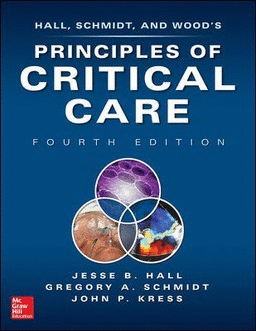
HALL, J.; SCHMIDT, G.; KRESS, J.; WOOD, L.
Descuento:
-5%Antes:
Despues:
269,08 ۥ PART I: An Overview of the Approach to and Organization of Critical Care
Chapter 1. Approach to Critical Care
Chapter 2. Assessing Cost-Effectiveness in the ICU
Chapter 3. Improving the Quality of Care in the ICU
Chapter 4. Infection Control and Surveillance in the Intensive Care Unit
Chapter 5. Legal Issues in Critical Care
Chapter 6. Assessment of Severity of Illness
Chapter 7. Transportation of the Critically Ill Patient
Chapter 8. Telemedicine
Chapter 9. Preparedness for Catastrophe
• PART II General Management of the Patient
Chapter 10. Preventing Morbidity
Chapter 11. Nutrition in the Critically Ill Patient
Chapter 12. Intravascular Devices
Chapter 13. Clinical Use of the Pulmonary Artery Catheter
Chapter 14. Pain Control, Sedation and Use of Muscle Relaxants
Chapter 15. Cardiopulmonary Resuscitation
Chapter 16. Therapeutic Hypothermia
Chapter 17. Withdrawing Life-Sustaining Therapy & Administering Palliative Care
Chapter 18. Chronic Critical Illness
Chapter 19. Long-Term Outcomes of Critical Illness
• PART III Cardiovascular Disorders
Chapter 20. The Pathophysiology of the Circulation in Critical Illness
Chapter 21. Shock
Chapter 22. Ventricular Dysfunction in Critical Illness Chapter 23. Diagnostic and Management Strategies for Acute Failure in the ICU
Chapter 24. Cardiac Arrhythmias, Pacing, Cardioversion/Defibrillation in the Critical Care Setting
Chapter 25. Myocardial Ischemia
Chapter 26. Acute Right Heart Syndromes
Chapter 27. Pulmonary Embolic Disorders: Thrombus, Air, and FAT
Chapter 28. Pericardial Disease
Chapter 29. Valvular Heart Disease
Chapter 30. Aortic Dissection
• PART IV Pulmonary Disorders
Chapter 31 The Pathophysiology and Differential Diagnosis of Acute Respiratory Failure
Chapter 32. Ventilator Waveforms: Clinical Interpretation
Chapter 33. Noninvasive Ventilation
Chapter 34. Upper Airway Obstruction
Chapter 35. Airway Management
Chapter 36. Management of the Ventilated Patient
Chapter 37. Ventilator-Induced Lung Inquiry
Chapter 38. ARDS
Chapter 39. Acute-On-Chronic Respiratory Failure
Chapter 40. Severe Asthma
Chapter 41. Massive Hemoptysis
Chapter 42. Restrictive Disease of the Respiratory System and the Abdominal Compartment Syndrome
Chapter 43. Ventilator-Associated Pneumonia
Chapter 44. Liberation from Mechanical Ventilation
• PART V Infectious Disorders
Chapter 45. Principles of Antimicrobial Therapy and the Clinical Pharmacology of Antimicrobial Drugs
Chapter 46. Sepsis with Acute Organ Dysfunction
Chapter 47. Approach to Infection in Patients Receiving Cytotoxic Chemotherapy for Malignancy
Chapter 48. AIDS in the Intensive Care Unit
Chapter 49. Endocarditis and Other Intravascular Infections
Chapter 50. Intravascular Access Devices Used in Critical Care
Chapter 51. Pneumonia
Chapter 52. Bacterial Infections of the Central Nervous System
Chapter 53. Encephalomyelitis
Chapter 54. Life-Threatening Infections of the Head, Neck and Upper Respiratory Tract
Chapter 55. Soft Tissue Infections
Chapter 56. Urinary Tract Infections
Chapter 57. Gastrointestinal Infections
Chapter 58. Severe Malaria
Chapter 59. Tetanus
Chapter 60. Viral Hemorrhagic Fevers
Chapter 61. Biowarfare Agents
• PART VI Neurologic Disorders
Chapter 62. Delirium in the Intensive Care Unit
Chapter 63. Cerebrovascular Disease
Chapter 64. Seizures in the Intensive Care Unit
Chapter 65. Intracranial Pressure: Monitoring and Management
Chapter 66. Neuromuscular Diseases Leading to Respiratory Failure
Chapter 67. Coma, Persistent Vegetative State, and Brain Death
• PART VII Hematologic and Oncologic Disorders
Chapter 68. Anemia and Blood Transfusion
Chapter 69. Bleeding Disorders
Chapter 70. Thrombocytopenic Purpura, Hemolytic Syndromes, and the Approach to Thrombotic Microangiopathies
Chapter 71. Acute Leukemia
Chapter 72. Oncologic Emergencies
Chapter 73. Hematopoietic Stem Cell Transplantation and Graft-Versus-Host Disease
Chapter 74. Toxicities of Chemotherapy
• PART VIII Renal and Metabolic Disorders
Chapter 75. Acute Renal Failure
Chapter 76. Electrolyte Disorders in Critical Care
Chapter 77. Acid-Base Balance
Chapter 78. Diabetic Ketoacidosis, Hyperglycemic Hyperosmolar Nonketotic Coma, and Hypoglycemia
Chapter 79. Adrenocortical Insufficiency
Chapter 80. Thyroid Disease
PART IX Gastrointestinal Disorders
Chapter 81. Gut and Hepatobiliary Dysfunction
Chapter 82. Gastrointestinal Hemorrhage
Chapter 83. Fulminant Hepatic Failure
Chapter 84. Management of the Patient with Cirrhosis
Chapter 85. Acute Pancreatitis
Chapter 86. Mesenteric Ischemia
• PART X The Surgical Patient
Chapter 87. Special Considerations in the Surgical Patient
Chapter 88. Preoperative Assessment of the High-Risk Surgical Patient
Chapter 89. The Acute Abdomen and Intraabdominal Sepsis
Chapter 90. The Transplant Patient
Chapter 91. Care of the Multiorgan Donor
Chapter 92. Priorities in Multisystem Trauma
Chapter 93. Head Injury and Intracranial Hypertension
Chapter 94. Spine Injuries
Chapter 95. Torso Trauma
Chapter 96. Pelvic Ring Injuries and Extremity Trauma
Chapter 97. Electrical Trauma
Chapter 98. Burns: Resuscitation Phase (0-36 Hours)
Chapter 99. Burns: Post-Resuscitation Phase (Day 2 to Day 6)
Chapter 100. Burns: Inflammation-Infection Phase (Day 7 to Wound Closure)
Chapter 101. Interventional Radiology
• PART XI Special Problems in Critical Care
Chapter 102. Toxicology in Adults
Chapter 103. Critical Care Pharmacology
Chapter 104. Rheumatology in the Intensive Care Unit
Chapter 105. Critical Illness in Pregnancy
Chapter 106. Anaphylactic and Anaphylactoid Reactions
Chapter 107. Dermatologic Conditions
Chapter 108. Sickle Cell Disease
Chapter 109. The Obesity Epidemic and Critical Care
Chapter 110. Hypothermia
Chapter 111. Hyperthermia
Chapter 112. Diving Medicine and Near-Drowning
Chapter 113: Ultrasound in the ICU
Chapter 114: Fungal and Viral infections other than hemorragic fevers
Chapter 115: Pulmonary hypertension
Chapter 116: Alcohol withdrawal
Considered the field""s definitive text, Principles of Critical Care offers unmatched coverage of the diagnosis and treatment of the most common problems encountered in the practice of critical care. Written by expert critical care physicians who are also experienced teachers, the book features an organization, thoroughness, and clarity not found in any other reference on the topic. Within its pages, you will find comprehensive, authoritative discussion of every aspect of critical care medicine essential to successful clinical practice, ranging from basic principles to the latest technologies.
The fourth edition is highlighted by:
- A new full-color presentation
- NEW CHAPTERS on ICU Ultrasound, Extracorporeal Membrane Oxygenation, ICU-Acquired Weakness, Abdominal Compartment Syndrome, and Judging the Adequacy of Intravascular Volume
- The addition of many new figures and diagnostic and treatment algorithms
- In-depth, up-to-date descriptions of the unique presentation, differential diagnosis, and management of specific critical illnesses
- A logical organ system approach that simplifies the search for thorough and practical information necessary to manage a patient""s specific condition
- The integration of pathophysiology throughout the text
- Content that reflects today""s interdisciplinary approach to critical care medicine
- *Reviews are of previous editions
Quickly and accurately diagnose and treat the critically ill patient with guidance from the field""s definitive text
"_Clearly the finest textbook available in the field." -- Critical Care Medicine journal "_Very well done_unusually user-friendly_excellent_a significant contribution to the field. It should be placed not only in the critical care practitioner""s library, but also in the rounds and nurses"" conference rooms of critical care units." -- Journal of the American Medical Association.
Authors
Jesse Hall, MD is Professor of Medicine, Anesthesia, and Critical Care at the University of Chicago Medical Center.
Gregory Schmidt, MD is Professor of Medicine, Department of Internal Medicine at the University of Iowa.
John Kress, MD is Professor of Medicine and Critical Care at the University of Chicago Medical Center.
CONTENTS:
PART I. An Overview of the Approach to and Organization of Critical Care
1. Approach to Critical Care
2. Assessing Cost-Effectiveness in the ICU
3. Improving the Quality of Care in the ICU
4. Infection Control and Surveillance in the Intensive Care Unit
5. Legal Issues in Critical Care
6. Assessment of Severity of Illness
7. Transportation of the Critically Ill Patient
8. Telemedicine
9. Preparedness for Catastrophe
PART II. General Management of the Patient
10. Preventing Morbidity
11. Nutrition in the Critically Ill Patient
12. Intravascular Devices
13. Clinical Use of the Pulmonary Artery Catheter
14. Pain Control, Sedation and Use of Muscle Relaxants
15. Cardiopulmonary Resuscitation
16. Therapeutic Hypothermia
17. Withdrawing Life-Sustaining Therapy & Administering Palliative Care
18. Chronic Critical Illness
19. Long-Term Outcomes of Critical Illness
PART III. Cardiovascular Disorders
20. The Pathophysiology of the Circulation in Critical Illness
21. Shock
22. Ventricular Dysfunction in Critical IllnessChapter 23. Diagnostic and Management Strategies for Acute Failure in the ICU
24. Cardiac Arrhythmias, Pacing, Cardioversion/Defibrillation in the Critical Care Setting
25. Myocardial Ischemia
26. Acute Right Heart Syndromes
27. Pulmonary Embolic Disorders: Thrombus, Air, and FAT
28. Pericardial Disease
29. Valvular Heart Disease
30. Aortic Dissection
PART IV. Pulmonary Disorders
Chapter 31 The Pathophysiology and Differential Diagnosis of Acute Respiratory Failure
32. Ventilator Waveforms: Clinical Interpretation
33. Noninvasive Ventilation
34. Upper Airway Obstruction
35. Airway Management
36. Management of the Ventilated Patient
37. Ventilator-Induced Lung Inquiry
38. ARDS
39. Acute-On-Chronic Respiratory Failure
40. Severe Asthma
41. Massive Hemoptysis
42. Restrictive Disease of the Respiratory System and the Abdominal Compartment Syndrome
43. Ventilator-Associated Pneumonia
44. Liberation from Mechanical Ventilation
PART V. Infectious Disorders
45. Principles of Antimicrobial Therapy and the Clinical Pharmacology of Antimicrobial Drugs
46. Sepsis with Acute Organ Dysfunction
47. Approach to Infection in Patients Receiving Cytotoxic Chemotherapy for Malignancy
48. AIDS in the Intensive Care Unit
49. Endocarditis and Other Intravascular Infections
50. Intravascular Access Devices Used in Critical Care
51. Pneumonia
52. Bacterial Infections of the Central Nervous System
53. Encephalomyelitis
54. Life-Threatening Infections of the Head, Neck and Upper Respiratory Tract
55. Soft Tissue Infections
56. Urinary Tract Infections
57. Gastrointestinal Infections
58. Severe Malaria
59. Tetanus
60. Viral Hemorrhagic Fevers
61. Biowarfare Agents
PART VI. Neurologic Disorders
62. Delirium in the Intensive Care Unit
63. Cerebrovascular Disease
64. Seizures in the Intensive Care Unit
65. Intracranial Pressure: Monitoring and Management
66. Neuromuscular Diseases Leading to Respiratory Failure
67. Coma, Persistent Vegetative State, and Brain Death
PART VII. Hematologic and Oncologic Disorders
68. Anemia and Blood Transfusion
69. Bleeding Disorders
70. Thrombocytopenic Purpura, Hemolytic Syndromes, and the Approach to Thrombotic Microangiopathies
71. Acute Leukemia
72. Oncologic Emergencies
73. Hematopoietic Stem Cell Transplantation and Graft-Versus-Host Disease
74. Toxicities of Chemotherapy
PART VIII. Renal and Metabolic Disorders
75. Acute Renal Failure
76. Electrolyte Disorders in Critical Care
77. Acid-Base Balance
78. Diabetic Ketoacidosis, Hyperglycemic Hyperosmolar Nonketotic Coma, and Hypoglycemia
79. Adrenocortical Insufficiency
80. Thyroid Disease
PART IX. Gastrointestinal Disorders
81. Gut and Hepatobiliary Dysfunction
82. Gastrointestinal Hemorrhage
83. Fulminant Hepatic Failure
84. Management of the Patient with Cirrhosis
85. Acute Pancreatitis
86. Mesenteric Ischemia
PART X. The Surgical Patient
87. Special Considerations in the Surgical Patient
88. Preoperative Assessment of the High-Risk Surgical Patient
89. The Acute Abdomen and Intraabdominal Sepsis
90. The Transplant Patient
91. Care of the Multiorgan Donor
92. Priorities in Multisystem Trauma
93. Head Injury and Intracranial Hypertension
94. Spine Injuries
95. Torso Trauma
96. Pelvic Ring Injuries and Extremity Trauma
97. Electrical Trauma
98. Burns: Resuscitation Phase (0-36 Hours)
99. Burns: Post-Resuscitation Phase (Day 2 to Day 6)
100. Burns: Inflammation-Infection Phase (Day 7 to Wound Closure)
101. Interventional Radiology
PART XI. Special Problems in Critical Care
102. Toxicology in Adults
103. Critical Care Pharmacology
104. Rheumatology in the Intensive Care Unit
105. Critical Illness in Pregnancy
106. Anaphylactic and Anaphylactoid Reactions
107. Dermatologic Conditions
108. Sickle Cell Disease
109. The Obesity Epidemic and Critical Care
110. Hypothermia
111. Hyperthermia
112. Diving Medicine and Near-Drowning
113: Ultrasound in the ICU
114: Fungal and Viral infections other than hemorragic fevers
115: Pulmonary hypertension
116: Alcohol withdrawal Authors
 -5%
-5%
 -5%
-5%
 -5%
-5%
 -5%
-5%
 -5%
-5%
 -5%
-5%
 -5%
-5%
 -5%
-5%
 -5%
-5%
 -5%
-5%